
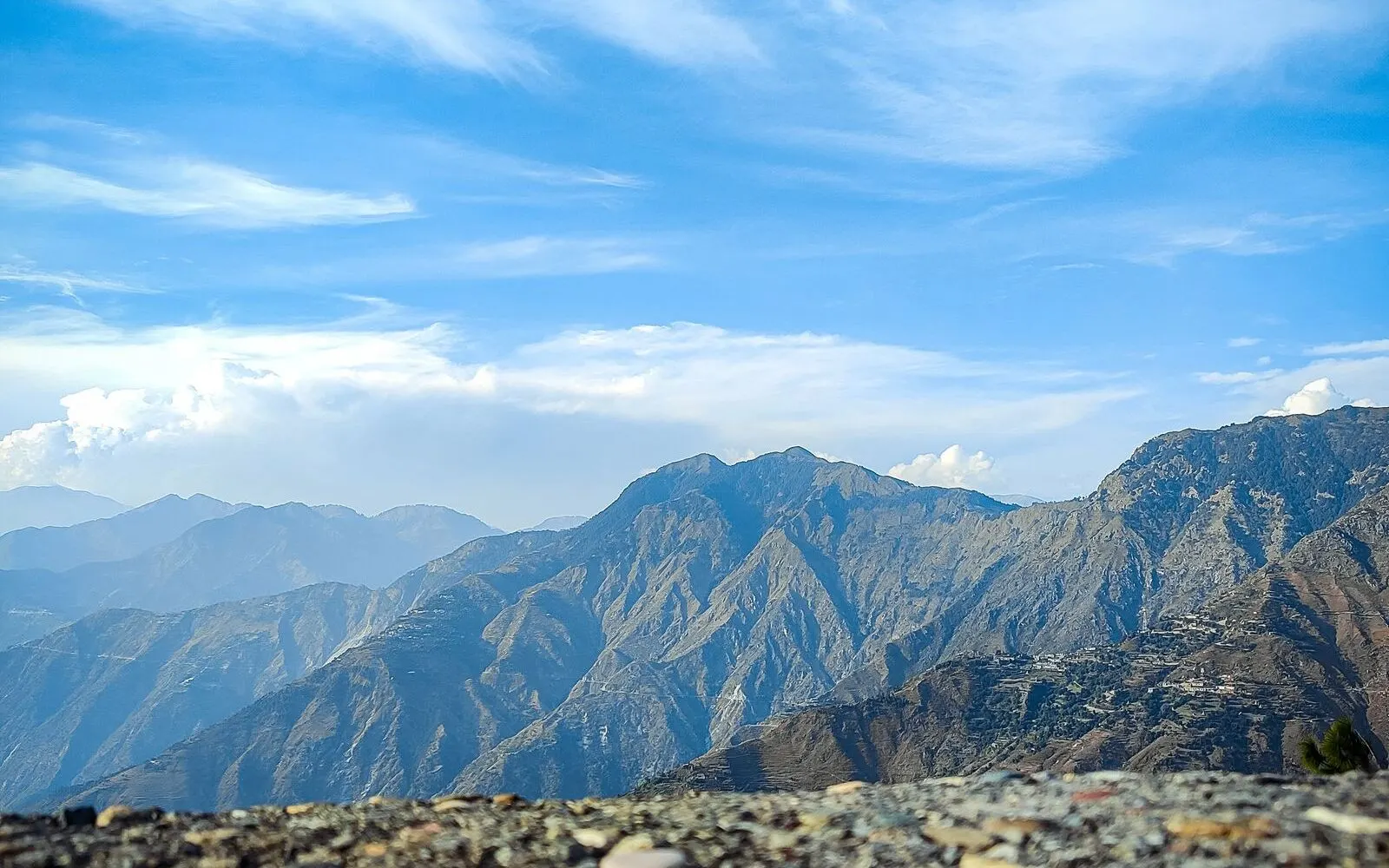
Manimahesh Kailash is one of the five Kailash peaks sacred to Shiva. Manimahesh lake lies at its foot at 4,080 metres, and for centuries pilgrims from Chamba and the Gaddi villages of the Budhil valley have walked up to bathe in it. We are from Bharmour, the temple town where this trail starts, so this is home ground for us.
The route
The trek starts at Hadsar, a short drive above Bharmour, and the lake is about 14 km from there. We take two days over the climb so your body has time to get used to the altitude.
- Chamba to Bharmour. Drive up the Ravi and Budhil valleys and stay the night in Bharmour. There is time to see the Chaurasi temple complex, a group of temples more than a thousand years old.
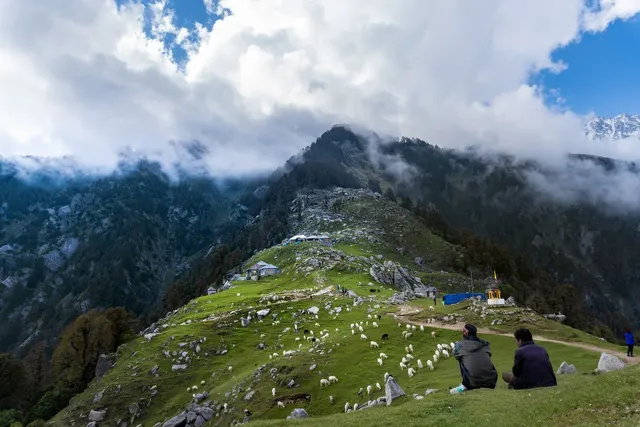
- Hadsar to Dhancho, about 6 km. The trail follows the Manimahesh nala through forest to the meadow at Dhancho.
- Dhancho to Manimahesh lake, about 8 km. This is the hard day. The path gets steeper past Sundrasi up to Gauri Kund, where women traditionally bathe, and then on to the lake. On a clear morning the 5,653-metre pyramid of Manimahesh Kailash shows in the water.
- Lake to Hadsar, and back to Chamba. A long walk down of about 14 km, then the drive home.
The Manimahesh Yatra
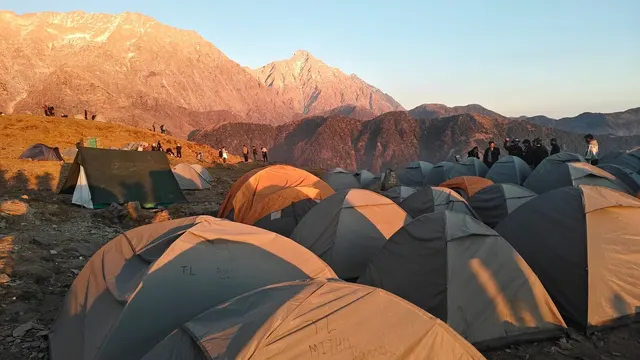
The Yatra happens every year in the fortnight between Janmashtami and Radhashtami, usually late August to mid-September. For those two weeks the trail is a different place. Thousands of pilgrims walk day and night, langars serve free food along the way, and the lake shore gets crowded for the holy dip.
- Pilgrims have to register with the district administration during the Yatra. The rules change from year to year, so check the latest notice before you travel. For our Yatra groups we do this for you.
- Helicopter shuttles from Bharmour usually run during the Yatra, and you can get ponies on the trail.
- If you want quiet, avoid the Yatra dates. Outside that fortnight the trail and the camps are almost empty.
When to go
The trek is open from June to September. In June and early July there are snow patches near the lake and clear skies before the monsoon. July and August are the rainy months. The meadows are green, but landslides can block the road to Bharmour. September, after the monsoon clears, gives the best views of the peak.
How hard is it?
We call Manimahesh moderate. The distances are fine, but the second day gains a lot of height and the lake is above 4,000 metres, where the air is thin. You should be able to walk six or seven hours with a daypack.
- Start walking, climbing stairs or jogging a month before.
- Take the climb from Dhancho slowly and drink plenty of water. Tell your leader about any headache, nausea or unusual tiredness. These can be early signs of altitude sickness, and the answer is to rest or go down, never to push on.
- Weather at the lake can change quickly. Carry warm layers and rain gear, even in August.
Respecting the mountain
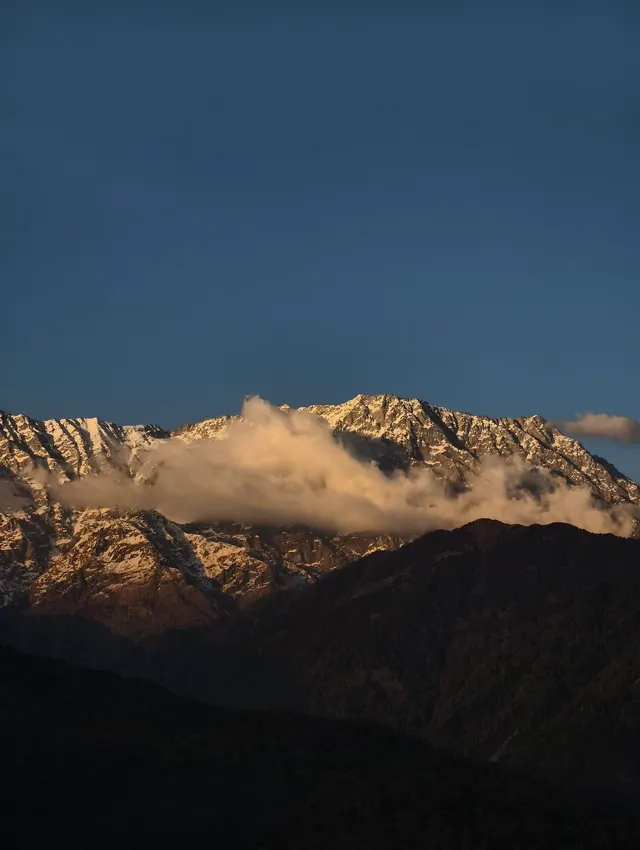
For people in Chamba this is a pilgrimage, not only a trek. Leave your shoes outside the shrines, ask before you photograph anyone at prayer, and carry your rubbish back down. Locals say the peak hides in cloud from those who are not meant to see it. Be patient at dawn and most people get lucky.
The full Manimahesh Kailash itinerary and dates are on the trek page, or you can ask us about a Yatra departure.