

Rupin Pass Trek
Eight days past a three-tier waterfall and up a snow gully to 4,650 m, then down into the Sangla valley.
-
Duration
8 days
-
Difficulty
Difficult
-
Max altitude
4,650 m
-
Distance
52 km
Overview
Rupin Pass at a glance
The Rupin Pass trek is a 8-day difficult trek in Kinnaur, Himachal Pradesh, reaching a maximum altitude of 4,650 m over about 52 km. It starts from Dhaula, with pickup in Shimla. The best time to go is May to June and September to October. Guided departures with Himachali Guide start from ₹17,500 per person.
On Rupin Pass the scenery changes almost every day. The trail starts at Dhaula on the Rupin river, climbs through hanging villages like Jhaka, where houses cling to a cliff, passes through forests of blue pine and rhododendron, and arrives at the three-stage Rupin waterfall, which you climb beside over two days.
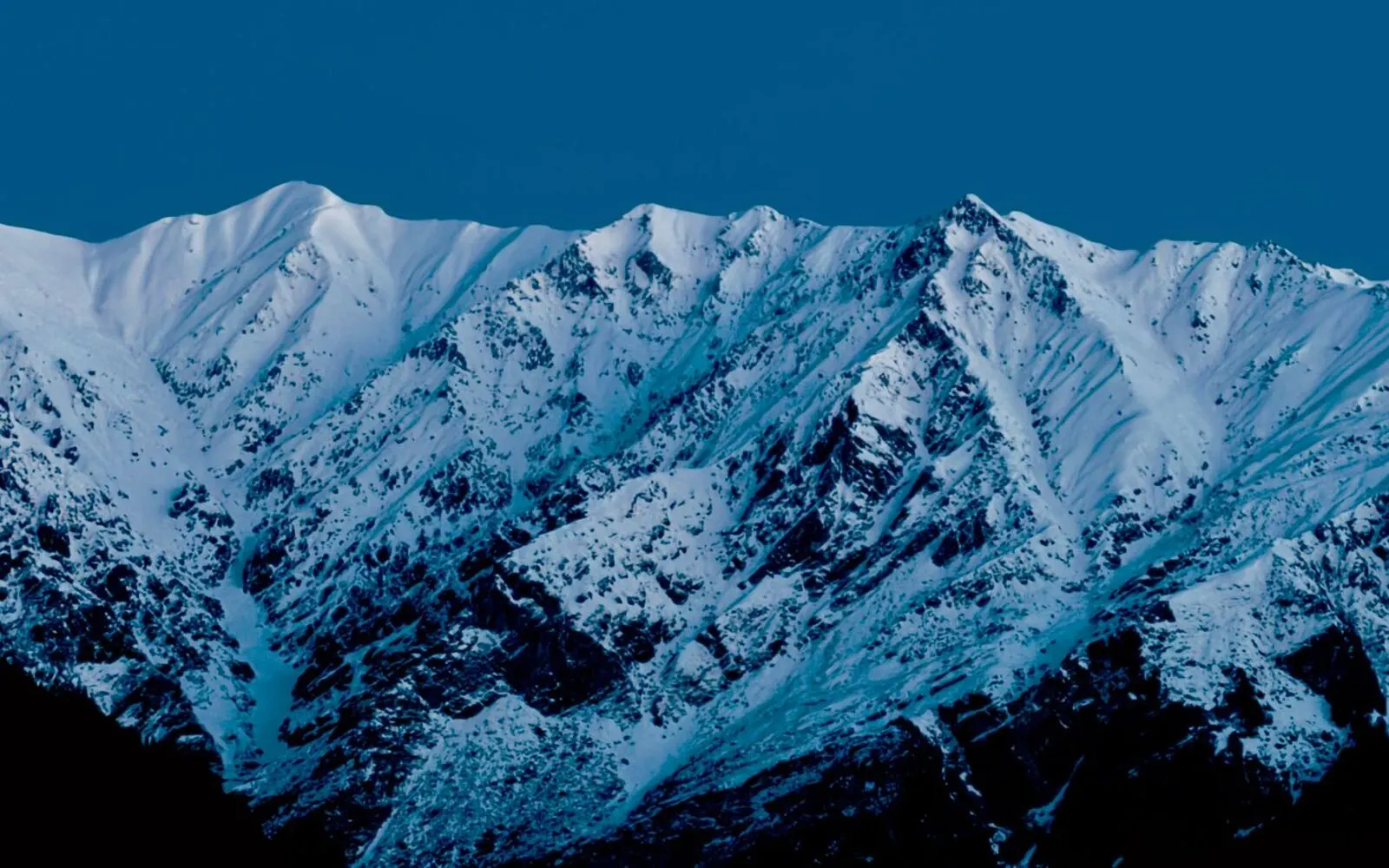
Above the waterfall the valley becomes a snow bowl, and the pass itself is reached through a steep gully that holds snow well into June. From the top at 4,650 metres the Kinner Kailash range fills the view, and the long descent through the Ronti Gad meadows ends in the apple orchards of Sangla.
The trek begins on the Uttarakhand side and ends in Himachal. We rate it difficult because of the long pass day, the snow gully and the sustained altitude; it suits trekkers who have done at least one trek above 4,000 metres.
Best time to go
- Jan
- Feb
- Mar
- Apr
- May
- Jun
- Jul
- Aug
- Sep
- Oct
- Nov
- Dec
Logistics
- Region
- Kinnaur
- Base camp
- Dhaula
- Pickup
- Shimla
- Group size
- Up to 15
Highlights
- Rupin waterfall, a three-tier cascade you camp below and above
- Jhaka, the hanging village built on a cliff face
- Steep snow gully to the pass at 4,650 m, with the Kinner Kailash range beyond
- River gorge, forest, meadows and snowfields, something different each day
- Finish in Sangla in Kinnaur's Baspa valley
Itinerary
8 days · tap a day to expand
-
Day 1 Shimla to Dhaula by road 1,550 m
Meet in Shimla at 6 am for a long drive through Rohru and the Pabbar valley to Dhaula on the Rupin river. Briefing and gear check in the evening.
- Dinner
- Guesthouse or tents at Dhaula
-
Day 2 Dhaula to Sewa 1,900 m 11 km 6 hrs
Follow the Rupin upstream through fields and village paths to Sewa, known for its unusual temple with Kinnauri and Garhwali elements.
- Breakfast, Lunch, Dinner
- Tents at Sewa
-
Day 3 Sewa to Jhaka via Jiskun 2,650 m 10 km 6 hrs
Cross into Himachal, climb through Jiskun and continue to Jhaka, the hanging village perched above the gorge.
- Breakfast, Lunch, Dinner
- Homestay or tents at Jhaka
-
Day 4 Jhaka to Saruwas Thatch 3,350 m 7 km 5 hrs
Through pine and rhododendron forest, across a snow bridge and onto the first meadows with the Rupin waterfall visible ahead.
- Breakfast, Lunch, Dinner
- Tents at Saruwas Thatch
-
Day 5 Saruwas Thatch to Dhanderas Thatch 3,600 m 5 km 4 hrs
A short day across a wide valley floor to the camp below the lower waterfall, with time to rest and acclimatise.
- Breakfast, Lunch, Dinner
- Tents at Dhanderas Thatch
-
Day 6 Dhanderas Thatch to Upper Waterfall camp 4,100 m 3 km 3 hrs
Climb steeply beside the waterfall to the camp above its top tier, the last stop before the pass.
- Breakfast, Lunch, Dinner
- Tents at Upper Waterfall
-
Day 7 Upper Waterfall to Ronti Gad via Rupin Pass 3,990 m 9 km 9.5 hrs
Pass day. Cross the snow bowl, climb the gully to the pass at 4,650 m, take in the Kinner Kailash range and descend the long meadows to Ronti Gad.
- Breakfast, Packed lunch, Dinner
- Tents at Ronti Gad
-
Day 8 Ronti Gad to Sangla 2,600 m 10 km 5 hrs
Descend through grazing grounds and forest to the orchards of Sangla. The trek ends by early afternoon; onward travel to Shimla is the next morning.
- Breakfast, Lunch
Gallery
What's included
Included
- Transport Shimla to Dhaula
- Two-person tents, sleeping bags and mattresses
- All meals from Day 1 dinner to Day 8 lunch
- Certified trek leader, local guide and support staff
- Microspikes and gaiters for the snow sections
- Forest permits and camping fees
- Oxygen cylinder, first aid and pulse oximeter
- Mules and porters for common equipment
Not included
- Travel to Shimla and onward from Sangla (transfer to Shimla can be arranged at extra cost)
- Accommodation in Sangla after the trek
- Personal porter or mule for your backpack (available on request)
- Travel insurance
- 5% GST
- Costs arising from weather or road delays
Things to carry
- Trekking shoes with ankle support
- Backpack 40 to 60 litres with rain cover
- Three warm layers (fleece, padded jacket, thermals)
- Rain jacket and poncho
- Trekking pole
- Sun cap, woollen cap and gloves
- Sunglasses with UV protection
- Two 1-litre water bottles
- Head torch with spare batteries
- Personal medicines and toiletries
- Government photo ID
- Gaiters (provided if you do not own them)
- Sunscreen SPF 50 and lip balm
- Extra pair of woollen socks
- Energy bars and electrolytes
Frequently asked questions
How fit do I need to be?
Target jogging 5 km in 30 to 32 minutes before departure. The pass day is nine to ten hours with a steep snow climb, and most days involve 6 hours of walking with a daypack.
Is prior trekking experience required?
We recommend at least one Himalayan trek above 4,000 m. If this would be your first, consider Hampta Pass or Bhrigu Lake first and talk to us about your preparation.
May or September, which is better?
May and June have snow in the upper valley and gully, which looks great but makes it harder. September and October are clearer and drier with autumn colours, and the pass is mostly snow free.
How do we get back from Sangla?
Buses and shared taxis run from Sangla to Shimla (about 9 hours) via Rampur. We can arrange a private transfer for the group at extra cost; ask when you book.
From
₹17,500 / person